How Long Do Power Wheels Actually Last?
The honest lifespan of Power Wheels and ride-on cars — what kills them early, how long the battery really lasts, and which brands hold up longest.
Affiliate Disclosure
This page contains affiliate links. As an Amazon Associate, PowerWheels HQ may earn a commission on qualifying purchases at no extra cost to you. Our reviews and recommendations are editorially independent.
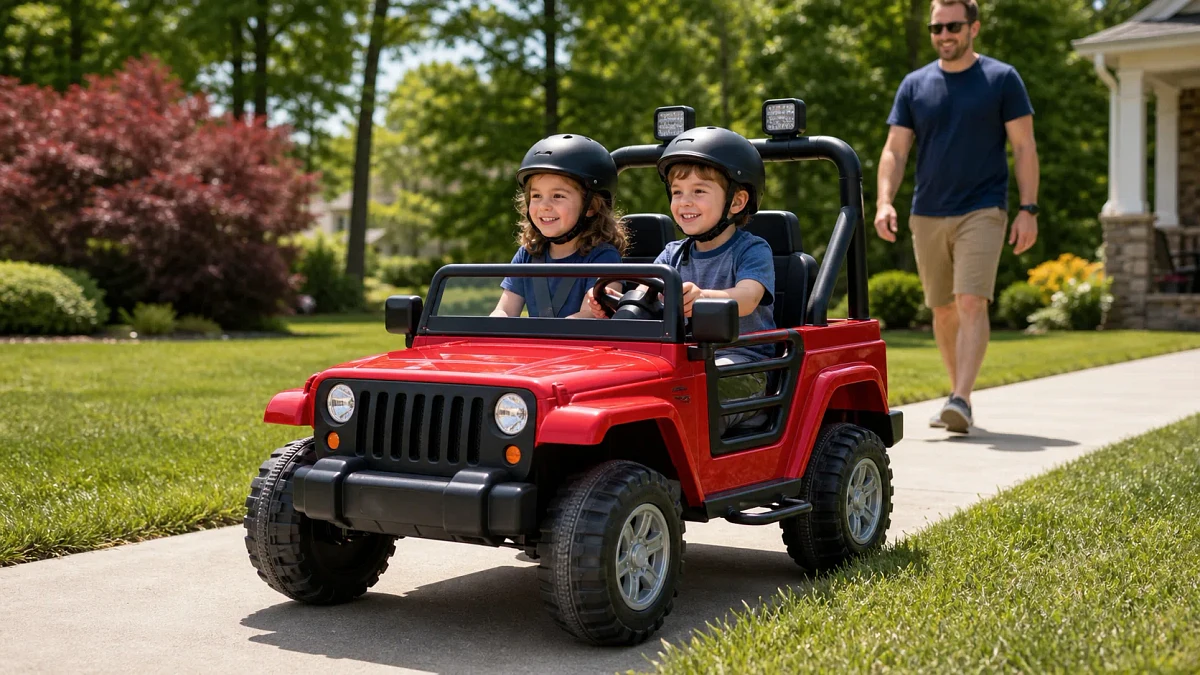
The vehicle can last 5 years. The battery won't. That's the core fact about Power Wheels longevity that most reviews don't tell you clearly enough.
The SLA (sealed lead-acid) batteries that come standard in most Power Wheels and ride-on cars have a realistic lifespan of 2 to 3 years under normal use. After that, you're either buying a replacement battery or watching the vehicle slow to a crawl and struggle on any incline. The vehicle frame, drivetrain, and body can outlast the battery by years — but without power, it's just an expensive push car.
What Kills Batteries Early
Two things destroy ride-on batteries faster than anything else: leaving the battery fully discharged for extended periods, and storing the vehicle in cold temperatures with a dead battery over winter. Both of these situations cause sulfation — a crystalline buildup on the battery plates that permanently reduces capacity.
The rule is simple: never store a dead battery. If the vehicle isn't being used for more than a week, charge it first. Before winter storage, charge it fully, disconnect it, and store it somewhere that doesn't freeze. A basement or attached garage works. An unheated shed in Minnesota does not.
The Vehicle Itself: What Wears Out
Beyond the battery, the most common failure points are the motors (two rear motors in most models), the plastic gears in the drivetrain, and the foot pedal switch. Budget models from unrecognized brands fail at these points faster — the motors are undersized for the load and the gear plastic is thin.
Power Wheels quality has declined from what it was 15 years ago, but the vehicles are still reasonable. A Power Wheels Dune Racer used regularly for 4-5 years will usually have a dead battery, possibly a failed motor, and some cosmetic wear. The frame and body are typically fine.
Peg Perego vs. Power Wheels: The Longevity Gap Is Real
Peg Perego builds better motors, better gearboxes, and their batteries are higher quality at the start. The Peg Perego battery life is still 2-3 years, but replacement batteries are easier to source and the drivetrain genuinely holds up better under load. If you're buying for grass or slopes where the motors work harder, Peg Perego outlasts Power Wheels by a meaningful margin.
The price premium is roughly 40-60%. Whether that's worth it depends on how hard your kid will use the vehicle and what terrain they're on. For a driveway-only flat surface, Power Wheels is fine. For a yard with real grass and a slope, Peg Perego earns its price.
The Cheap Brand Problem
The sub-$150 ride-ons from unfamiliar brands on Amazon are a different story. These are built to a price point, and that price point means undersized motors, thin gear plastic, and batteries that may not last even a full season. Some parents get a full two years out of them. Many don't. If the child will only use it occasionally on flat ground, the value math might work. For daily outdoor use, you'll spend more in frustration than you saved.
The Storage Factor
Outdoor storage shortens vehicle life significantly regardless of brand. UV exposure fades plastic, moisture gets into electrical connections, and temperature swings stress the battery. A covered outdoor area is far better than nothing. Indoor storage — garage or basement — is ideal. If you're buying a ride-on for serious use, budget for a cover or a dedicated storage spot.
The Bottom Line on Lifespan
Plan for a 2-3 year battery cycle and a 4-6 year vehicle life under normal use. Peg Perego stretches both numbers. Budget brands compress them. Good storage habits matter more than most people realize.
Quick Comparison
Power Wheels Dune Racer
Power Wheels
Best overall value with typical 4-5 year lifespan
- Voltage
- 12V
- Seats
- 2
- Ages
- 3-7
- Price
- $250-$320
John Deere Ground Force
Peg Perego
Longest lifespan in the standard 12V category
- Voltage
- 12V
- Seats
- 1
- Ages
- 3-7
- Price
- $280-$380
12V Replacement Battery for Power Wheels
UPG
Best aftermarket battery replacement
- Voltage
- 12V
- Seats
- N/A
- Ages
- N/A
- Price
- $25-$45
Polaris RZR 900 24V
Peg Perego
Best for families wanting maximum vehicle longevity
- Voltage
- 24V
- Seats
- 2
- Ages
- 4-10
- Price
- $450-$600
| Product | Best For | Specs | Price | Rating |
|---|---|---|---|---|
Power Wheels Dune Racer Power Wheels | Best overall value with typical 4-5 year lifespan | 12V · 2 seats Ages 3-7 | $250-$320 | 4.5 |
John Deere Ground Force Peg Perego | Longest lifespan in the standard 12V category | 12V · 1 seat Ages 3-7 | $280-$380 | 4.8 |
12V Replacement Battery for Power Wheels UPG | Best aftermarket battery replacement | 12V · N/A seats Ages N/A | $25-$45 | 4.3 |
Polaris RZR 900 24V Peg Perego | Best for families wanting maximum vehicle longevity | 24V · 2 seats Ages 4-10 | $450-$600 | 4.8 |
Prices are approximate and subject to change. Always verify current pricing before purchasing.
Our Picks — In Detail
Power Wheels Dune Racer
Power Wheels
12VSeats
2Ages
3-7Price
$250-$320
The benchmark for mainstream ride-on durability. Expect 2-3 years from the original battery, 4-5 years from the vehicle with a battery replacement. Motors are adequate for grass; they'll work harder and wear faster on steep slopes.
Pros
- Wide parts availability
- Easy battery replacement
- Proven durability record
Cons
- Battery quality mediocre
- Motors struggle on steep terrain over time
John Deere Ground Force
Peg Perego
12VSeats
1Ages
3-7Price
$280-$380
Peg Perego's build quality is visibly better at every point — motors, gears, battery quality. Expect the same 2-3 year battery cycle, but the drivetrain handles terrain stress better and outlasts Power Wheels on demanding use.
Pros
- Superior motor and gearbox quality
- Handles grass and slopes without stress
- Better long-term durability
Cons
- More expensive upfront
- Replacement batteries cost more
12V Replacement Battery for Power Wheels
UPG
12VSeats
N/AAges
N/APrice
$25-$45
When the original battery dies — and it will — aftermarket SLA batteries from UPG or similar are a fraction of the OEM price and work just as well. 12V 9Ah or 12V 12Ah are the standard sizes for most Power Wheels models.
Pros
- Fraction of OEM battery cost
- Direct replacement fit
- Extends vehicle life 2-3 more years
Cons
- Varies by Power Wheels model — check compatibility
- Life expectancy same as OEM (2-3 years)
Polaris RZR 900 24V
Peg Perego
24VSeats
2Ages
4-10Price
$450-$600
The premium tier of ride-on durability. 24V motors are beefier, the construction is more robust, and the higher weight limit means the vehicle isn't stressed by a heavier child. With care, these realistically last 6-8 years through multiple children.
Pros
- Most durable ride-on in the category
- Motors sized for real load
- Passes down to younger siblings with years of life remaining
Cons
- High upfront cost
- Heavier and harder to store
What to Look For
Voltage (6V / 12V / 24V)
Higher voltage means more power, higher top speed, and better terrain handling. Choose based on your child's age, size, and where they'll ride. 12V is the most popular choice for ages 3–7.
Number of Seats
Single-seat models work for one child; two-seat designs are great for siblings or friends. Two-seaters often put more strain on the motor, so look for adequate power.
Terrain
Most 12V ride-ons handle flat grass and hard surfaces. If you have hills, rough grass, or gravel, look for 24V models with high-traction tires.
Safety Features
Look for seat belts, parental lockout switches, low/high speed settings, and parental remote controls — especially for younger or first-time riders.
Battery & Charging
Check battery life (usually 1–2 hours for 12V) and charge time (8–18 hours). Some premium models offer faster charging or higher-capacity batteries.